EN
EN
 jp
jp  ko
ko  fr
fr  de
de  es
es  it
it  ru
ru  pt
pt  ar
ar  th
th 
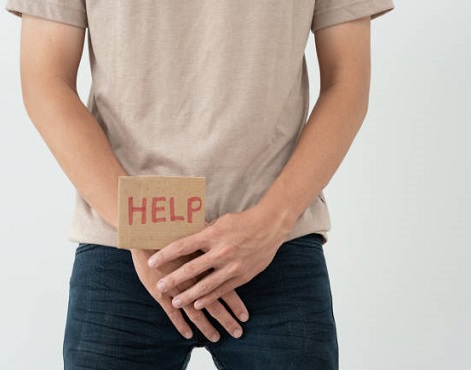
Frequent urination is a very common issue. Sometimes, it's just a small signal from your body; other times, it may be a health reminder worth your attention. Let's explore together what's behind it and how to manage it effectively.
Are you simply drinking too much water?
Beverages containing caffeine or alcohol stimulate the kidneys to produce more urine, increasing the urge to go. To self-check, notice whether you need to use the bathroom more often after drinking these compared to the same amount of plain water.
"Bladder irritants" hidden in your diet
Spicy foods, citrus fruits, and artificial sweeteners—these common items in your daily meals can act as bladder stimulants, potentially causing more frequent or urgent urination.
The nuisance of urinary tract infections (UTIs)
UTIs often cause frequency, urgency, and pain during urination, making them one of the most common reasons women experience frequent urination.
Age-related changes: Overactive bladder (OAB) and pelvic floor muscles
As we age, pelvic floor muscles—like a slackening hammock—lose strength, and bladder muscles may become "overactive," contracting involuntarily. Together, these changes can make you feel the need to urinate more often.
The "sweet burden" of high blood sugar: Link with diabetes
When blood sugar levels are too high, the kidneys attempt to excrete the excess through urine. The sugar in urine draws out large amounts of water—like a sponge—leading to significantly increased urination.
Other health conditions to be aware of
Certain issues can also trigger frequent urination: interstitial cystitis (causing bladder wall inflammation and pain), prostate problems in men (pressing against the urethra), and pregnancy (where hormonal changes and an enlarged uterus put pressure on the bladder).
Key warning signs—consult a doctor if you experience:
Blood in urine (hematuria)
Burning or pain when urinating
Fever, back pain, or abdominal pain
Loss of bladder control or incontinence
Frequent urination that severely disrupts sleep or daily life
4 changes you can start today:
Bladder training: Set a "bathroom schedule" and gradually extend intervals to help your bladder build tolerance.
Pelvic floor exercises: Regular Kegel exercises strengthen pelvic support—like giving your bladder a protective team.
Dietary adjustments: Cut back on coffee, strong tea, alcohol, and spicy foods to reduce bladder irritation.
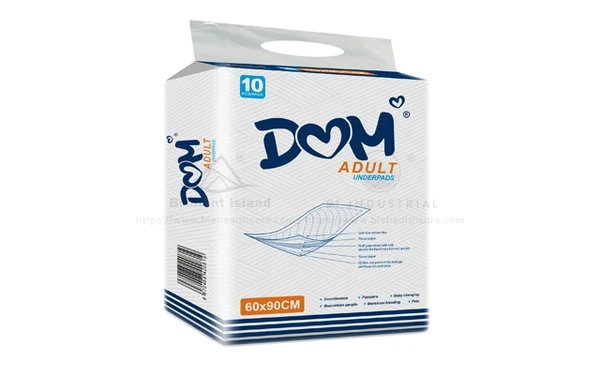
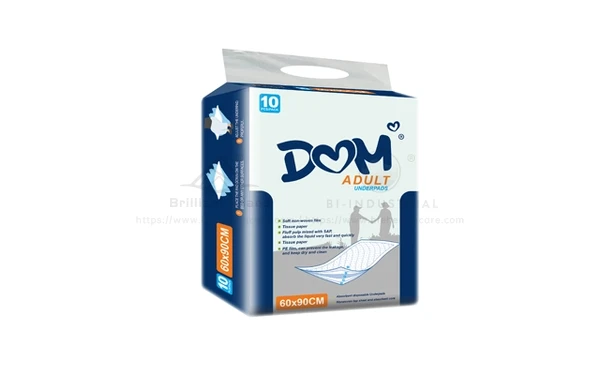
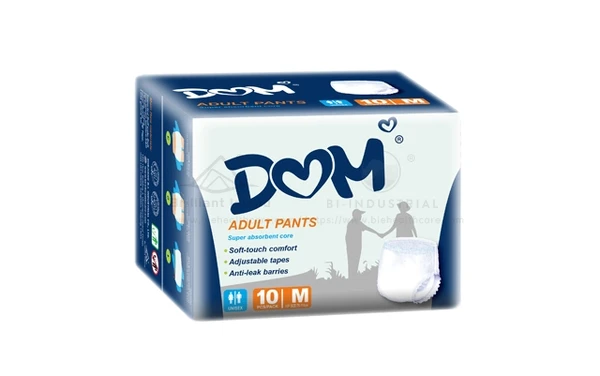
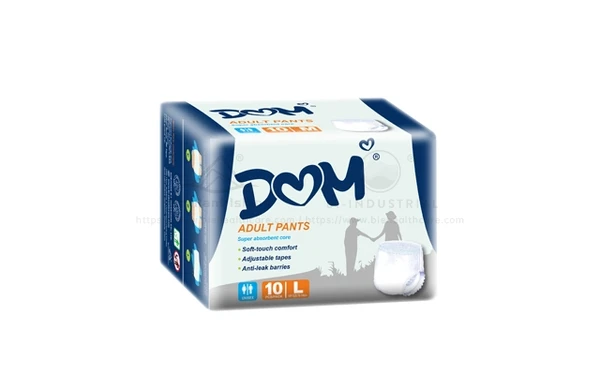
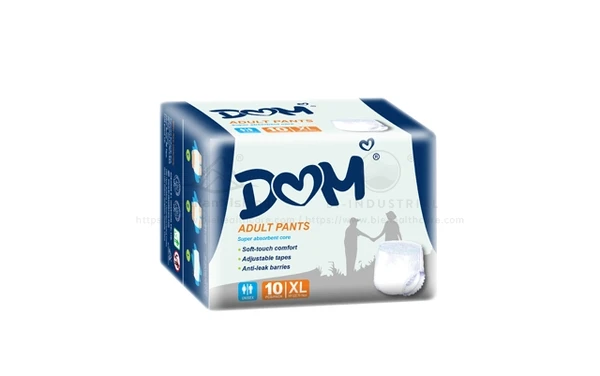
Choose suitable adult care products: While managing symptoms, consider DM incontinence products. Designed for comfort and easy use, they help you stay dry and confident in any situation.